




When a tooth starts hurting or a filling keeps failing, many Reynoldsburg and Columbus-area families ask us: “Can we just do another filling?” Sometimes the answer is yes. Other times, a dental crown is the safer, longer-lasting choice for your comfort, dental health, and smile appearance.
At McKibben Dental, we aim to make you feel comfortable, informed, and confident in your care. We explain what we see during your dental exam, what it means for your natural teeth, and your options. If we recommend a crown, it’s to protect your tooth structure and support better oral health long-term.
Fillings vs. Crowns: What’s the Difference?
A filling repairs a smaller area of tooth decay or a minor chip by replacing the damaged part with a dental material, often composite resin. This type of dental restoration is conservative, efficient, and comfortable.
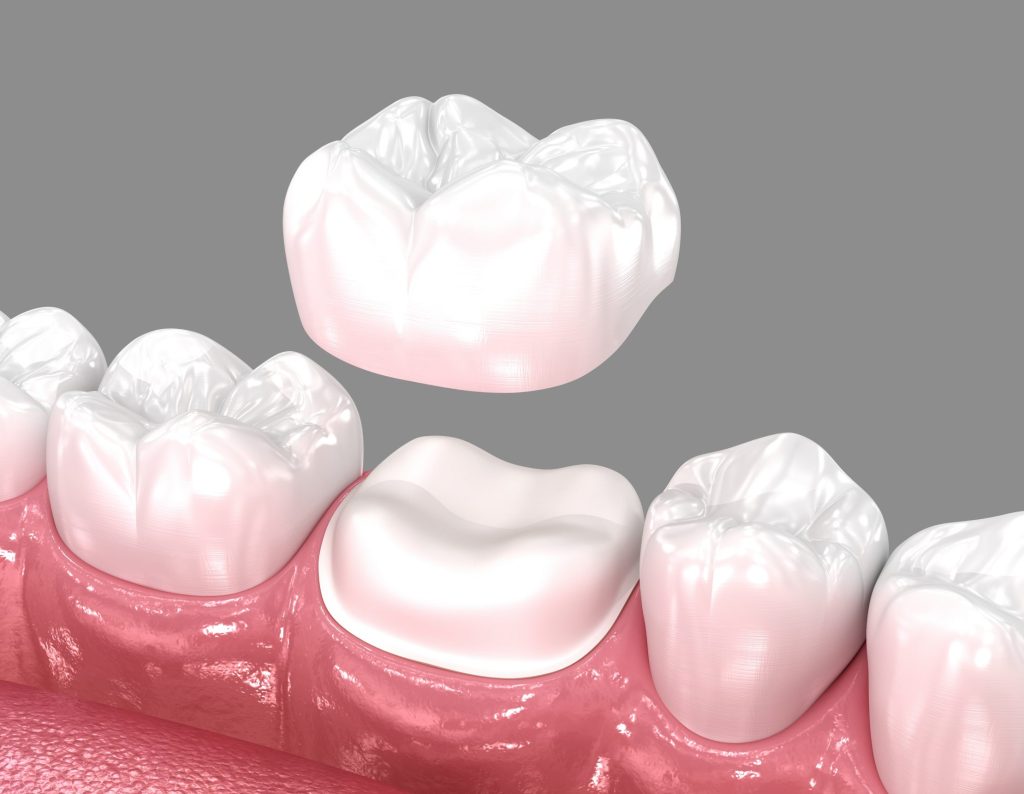
A dental crown covers and protects a larger portion of a damaged tooth. Think of it as a strong “cap” that holds the tooth together when the remaining structure is weaker. Crowns are common in restorative procedures because they protect natural teeth with cracks, large restorations, or deep decay. They also play a role in cosmetic dentistry to improve the shape or color of a tooth.
Do You Need a Dental Crown, or Can a Filling Work?
The key question is how much healthy natural tooth is left to support the repair. A filling needs strong tooth structure around it to stay stable under chewing pressure. When the tooth is too compromised, a crown becomes the more secure treatment.
Here’s how we explain it: fillings patch a spot, and crowns protect the whole tooth. During your visit, we look at cracks, existing fillings, signs of gum disease, and how your bite hits that tooth. Then we recommend restorative dental treatments based on your needs.
Signs a Tooth Can’t Be Saved with a Filling
When a tooth reaches certain “stress points,” a filling can become a short-term fix leading to repeat problems. These are situations where we may recommend a crown or another restorative option:
- A very large cavity or large existing filling: If decay has removed a big portion of your tooth, there may not be enough support left for composite resin long-term.
- Cracks or fractures: A cracked tooth often needs coverage to prevent the crack from spreading.
- Deep decay close to the nerve: Even without endodontic treatment, deep decay can weaken the tooth, making a crown the safest choice.
- A filling that keeps breaking or falling out: Repeat failures often indicate a tooth needing reinforcement, not another patch.
- Pain when biting or chewing: This can signal compromised tooth structure or a crack that a filling cannot stabilize.
- Visible breakdown around an old filling: When a filling leaks or decay returns, the remaining structure may not be strong enough for another filling.
- Wear from grinding or clenching: Heavy bite forces can cause fillings to fail, making a crown a better fit.
If any of these sound familiar, you’re not alone. The goal of restorative dentistry is to keep you comfortable now and prevent larger problems later.
Why Crowns Can Protect Your Tooth Structure and Comfort
A crown surrounds the tooth, reducing flexing and stress. That support can lower the risk of future cracks and help you chew confidently. Crowns also restore the appearance of your smile, especially when a tooth is discolored, misshapen, or has had multiple restorations.
You may hear about porcelain restorations and different materials used for crowns. Some crowns blend naturally with surrounding teeth, helpful when the tooth is visible when you smile. We consider the tooth’s location, bite force, and your goals for a natural smile.
Where Do Inlays and Onlays Fit in Restorative Procedures?
Sometimes the best option is between a filling and a full crown. Inlays and onlays repair moderate damage while conserving more natural tooth than a crown. An inlay fits within the grooves of the tooth, while an onlay extends over one or more cusps.
These restorations can be strong, precise, and natural-looking while supporting better oral health and comfort.
What If the Tooth Can’t Be Saved at All?
If a tooth cannot be restored predictably, we shift to a plan that protects your long-term oral health. Tooth loss affects chewing, speech, and the stability of your teeth over time. Replacing a missing tooth helps keep nearby teeth from shifting.
Common options for missing teeth include:
- Dental implant: Replaces an artificial tooth root in the jaw and supports an artificial tooth.
- Dental bridge: Replaces a missing tooth by anchoring an artificial tooth to neighboring teeth.
- Other restorative treatments: Depending on your needs, there may be additional procedures to rebuild function and appearance.
We will always explain the treatment we recommend and why, answering questions in plain language. The American Dental Association emphasizes the value of routine care and early diagnosis, as treating problems earlier often makes more options possible.
What to Expect If You Need a Dental Crown
Knowing what will happen can make the process easier. A crown appointment starts with an exam and imaging to assess your tooth structure and surrounding tissues. Then we prepare the tooth by removing damaged areas and shaping it for the crown.
We plan your restoration to fit your bite and look natural. We also discuss proper care at home so you feel confident between visits. If you feel nervous, tell our team. Comfort and trust matter, and we want your experience to feel calm and supportive.
How to Care for Your Crown and Other Restorative Work
Caring for your restorative work is similar to caring for natural teeth, with a few extra reminders. Crowns, inlays, onlays, and other procedures last longer when protected from decay and heavy forces.
Here are habits that support dental health:
- Brush and floss daily to prevent decay at the margins of your restoration.
- Keep up with preventive visits to check for gum disease and early wear.
- If you grind your teeth, ask us about protection to reduce stress on crowns and fillings.
- Call if you notice new sensitivity, a rough edge, or bite discomfort so we can address it early.
With consistent care, many restorative procedures work well for years, helping you maintain a healthy, confident smile.
How We Help You Choose the Right Restorative Dentist and Plan
Choosing a restorative dentist should feel like choosing a partner. You deserve to be heard, understand your options, and feel supported at each step. At McKibben Dental, we focus on clear communication and treatment plans built around your needs, whether you need a small restoration or more comprehensive treatments.
Some patients want a quick fix. Others plan bigger changes related to oral health issues, missing teeth, or smile appearance. We help you understand the goal of restorative dentistry: protect what can be saved, restore what is missing, and help you feel comfortable living your everyday life.
Ready to Talk About Your Tooth? We Are Here for You.
If you’re dealing with a damaged tooth, repeated fillings, or pain when chewing, you don’t have to guess what you need. A thoughtful exam can clarify whether a filling, inlay, onlay, or crown is right for you, and whether planning for an implant or bridge makes sense if tooth loss is involved.
Schedule a visit with McKibben Dental to discuss your options in a calm, judgment-free setting. We’ll explain what we see, answer your questions, and help you choose a plan that supports comfort, confidence, and long-term oral health.