

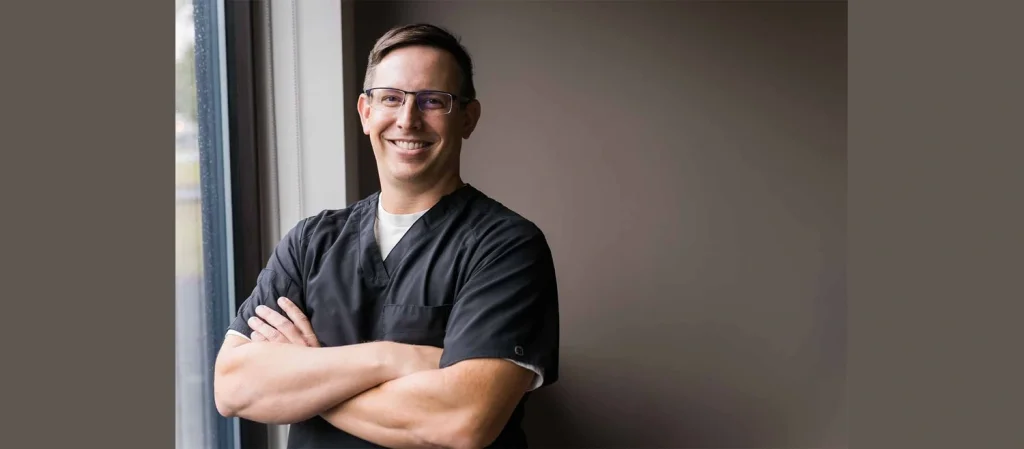
Dental Injuries Reynoldsburg

Our experienced team is ready to help treat traumatic dental injuries that may occur in our patients. After a dental injury, it is our goal to save your natural teeth, while ensuring this tooth is viable and can function properly. Dental injuries usually occur as a result of an accident or an injury while playing sports. Sometimes, these injuries can be relatively small–such as chipped teeth. Or, they can be very serious and require intense treatment–such as a dislodged or knocked-out tooth. Regardless of the type of injury, it is vital to see Dr. McKibben and Dr. Ehrbar as soon as possible.
Treatment of Dental Injuries
Treatment of a dental injury is dependent on a few variables: location, type and severity of the injury. Below are common types of dental injuries:
- Chipped or fractured teeth: Chipped or fractured teeth can often be repaired by reattaching the broken piece or by putting a tooth-colored filling in place. When the pulp is exposed or damaged after a crown fracture, root canal treatment may be needed and require special attention.
- Dislodged teeth: Sometimes, a tooth may become dislodged from your socket and pushed completely sideways. Dr. McKibben and Dr. Ehrbar will help to reposition and stabilize your tooth. Oftentimes, root canal treatment is also needed for permanent teeth that have been dislodged and should be started several days following the injury.
- Knocked-out teeth: If one or more of your teeth is knocked out completed from your mouth, it is imperative that you see Dr. McKibben and Dr. Ehrbar as soon as possible for a better chance of saving your tooth! Depending on each unique case, it is possible for Dr. McKibben and Dr. Ehrbar to restabilize the tooth and start endodontic treatment later on.
- Root fractures: Sometimes, an injury to your tooth may also cause a horizontal root fracture. The closer a fracture is to the root tip, the better the chances of success for your tooth–but the closer the fracture is to the gum line, the harder it is to save your natural tooth and restore its proper function.
Contact The Team at McKibben Dental Today!
It is our goal to help save our patients’ natural teeth and provide the highest level of endodontic care after a dental injury. We are here to help you understand your treatment options and care. If you are interested in learning more about dental injuries or have additional questions or concerns about treatment, we invite you to reach out to us at 614-575-9530. We’d be happy to help.
Frequently Asked Questions
No. Treatment depends on the severity of the injury and whether the tooth’s pulp has been affected. Some injuries can be treated with bonding or a dental crown, while others may require root canal therapy to preserve the tooth. Patients in Reynoldsburg, OH should seek prompt evaluation so our team can recommend the most conservative treatment possible.
If a permanent tooth is knocked out, pick it up by the crown (not the root), gently rinse it with water if it’s dirty, and try to place it back into the socket if possible. If you can’t, keep the tooth in milk or a tooth preservation solution and contact our team immediately. Fast treatment offers the best chance of saving the tooth.
Yes. A properly fitted mouthguard helps absorb impact and significantly reduces the risk of chipped, broken, or knocked-out teeth during sports and recreational activities. We recommend custom mouthguards for athletes because they provide a more secure fit and better protection than over-the-counter options. Patients in Reynoldsburg, OH can ask our team about custom athletic mouthguards during their next visit.
Even a small chip should be evaluated promptly. While minor chips may not cause pain, they can leave sharp edges, weaken the tooth, or allow bacteria to enter if the damage extends deeper than expected. Our team can determine whether the tooth needs simple cosmetic repair or more advanced treatment.
Damage to the pulp isn’t always visible right away. Signs may include lingering sensitivity, persistent pain, swelling, discoloration, or discomfort when biting. After a dental injury, our team may recommend follow-up visits to monitor the tooth because some symptoms can develop weeks or even months after the accident.