

Non-Surgical Root Canal Reynoldsburg

At McKibben Dental, we are proud to offer many different endodontic services and types of treatment for our patients depending on each unique case. In the field of endodontics, our team works often with root canals and other types of root canal treatment. There are mainly two different types of root canal treatments–surgical root canals and non-surgical root canals. Most of the time, our practice deals with non-surgical root canals.
What Are Non-Surgical Root Canals?
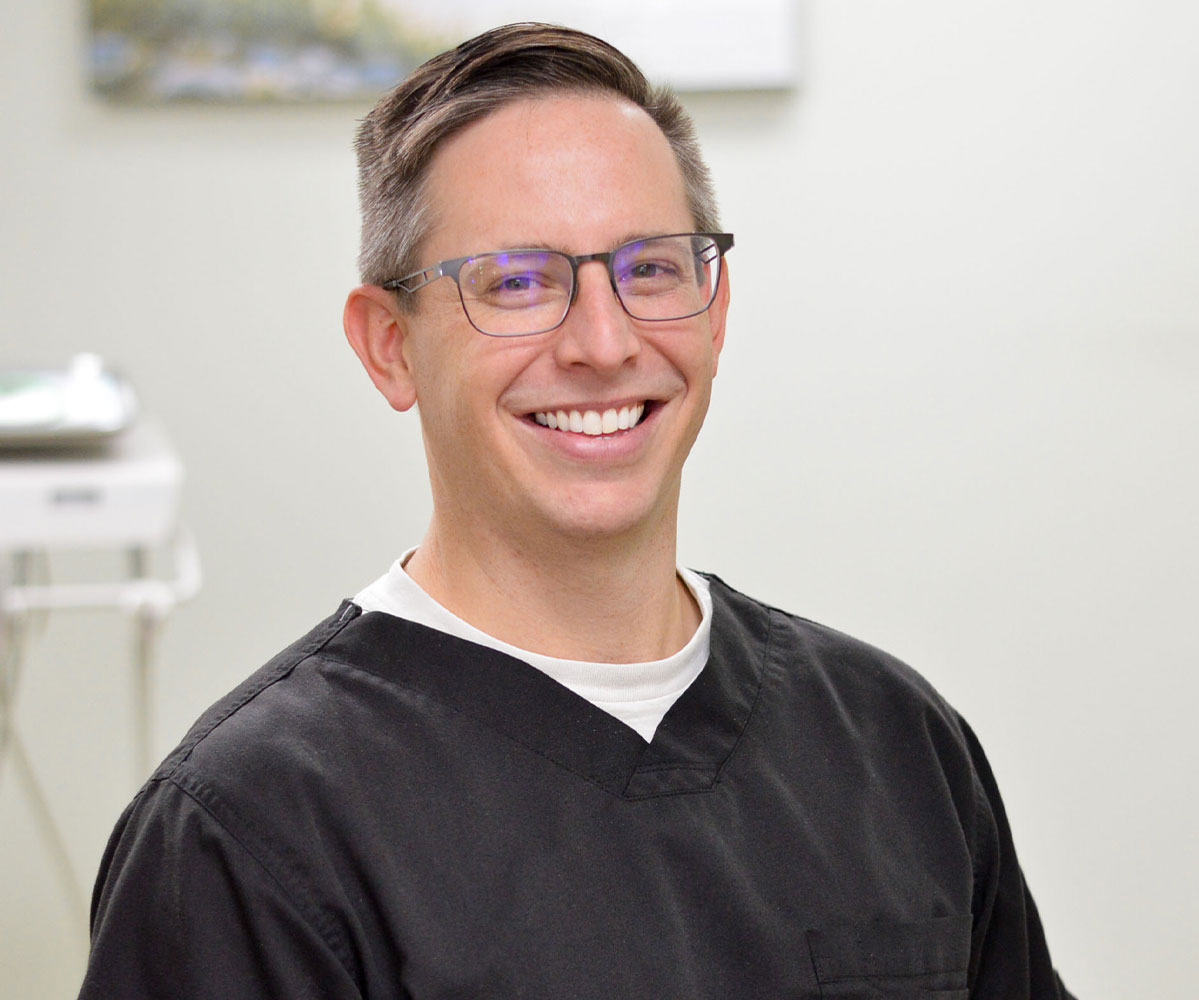
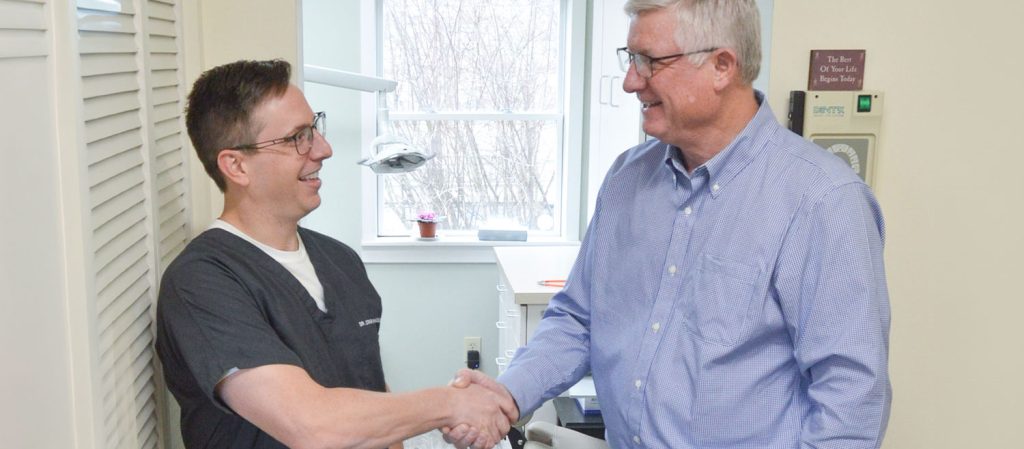
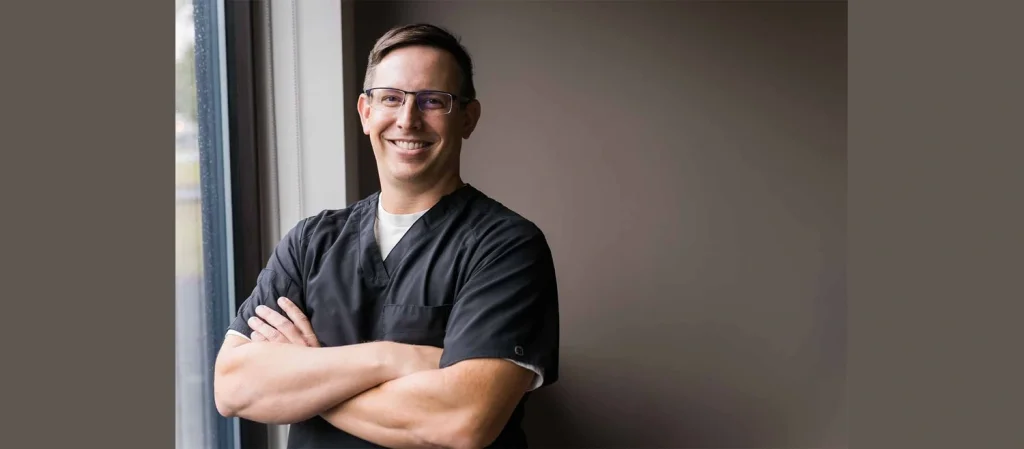
Non-surgical root canals are very similar to a really deep tooth filling. Although this is not the exact same procedure and it deals with more complex structures of the tooth, there are some basic similarities. During a non-surgical root canal procedure, Dr. McKibben and Dr. Ehrbar will use a drill tool to access and remove the infected root of the tooth to properly clean it. Then, Dr. McKibben and Dr. Ehrbar will expertly fill the tooth to prevent any further damage or infection from taking place. All of this treatment is done under the use of local anesthetic, so you will barely feel a thing!
Non-surgical root canals truly are a rather simple procedure. Dr. McKibben and Dr. Ehrbar have several years of experience performing these procedures, so you can feel confident knowing that you are in good hands. Typically, a non-surgical root canal can be completed in only one or a few visits and will require at least one follow-up visit with our team.
If you have any additional questions regarding this procedure, we invite you to please reach out to our office at 614-575-9530. We look forward to hearing from you soon!
Frequently Asked Questions
A non-surgical root canal may be recommended if the pulp inside your tooth has become inflamed or infected due to deep decay, a crack, repeated dental procedures, or trauma. Common symptoms include lingering sensitivity to hot or cold, severe tooth pain, swelling, or tenderness when chewing. Our team will perform an examination and take digital X-rays to determine whether this treatment is appropriate.
Many teeth benefit from a dental crown after root canal treatment, especially molars and premolars that absorb significant chewing forces. A crown helps protect the treated tooth from fractures and restores its strength and function. Our team will recommend the best restoration based on the location and condition of your tooth.
Most patients return to their normal routine the same day or the following day. Mild soreness for a few days is common and can often be managed with over-the-counter pain medication as directed. Until your permanent restoration is placed, avoid chewing on the treated tooth whenever possible.
Root canal treatment has a high success rate, but in some cases a tooth may develop a new infection months or even years later. If this happens, our team may recommend retreatment or another endodontic procedure to help preserve the tooth. Regular dental visits in Reynoldsburg, OH allow us to monitor treated teeth and address concerns early.
Continue brushing twice a day, flossing daily, and attending routine dental checkups. Avoid chewing on hard objects such as ice or pens, and wear a custom mouthguard if you grind your teeth or play contact sports. Patients in Reynoldsburg, OH can work with our team to develop a long-term plan to keep their restored tooth healthy and functional.