



If your smile looks different lately, you’re not imagining it. Many people first notice teeth grinding through cosmetic changes, like flatter edges, shorter front teeth, or a smile that looks less “bright” in photos. Because it often happens during sleep, this wear can sneak up on you until you experience side effects like tooth sensitivity, pain, or a restoration that feels “off.”
At McKibben Dental, we help Reynoldsburg and Columbus-area families connect the dots between what you see in the mirror and what may be happening at night. The good news is that teeth grinding treatment can protect your enamel, reduce jaw tension, and prevent further damage with comfortable, custom options.
Why do teeth look shorter with sleep bruxism and jaw clenching?
Teeth are strong, but they’re not designed to handle repeated clenching and grinding for hours at a time. With sleep bruxism, your upper and lower teeth can rub together with enough pressure to gradually wear down the biting edges. Over time, this damage can make teeth look shorter, flatter, and more squared off, especially in the front.
Grinding also affects more than your teeth. Jaw muscles can become overworked, and the temporomandibular joint (TMJ) can become irritated. Some patients notice facial pain, jaw pain, or muscle tension in nearby areas like the neck. These changes often develop slowly, especially during stressful seasons, sleep disorders, or shifts in sleep patterns.
Is grinding changing my smile, or is it something else?
If you’re wondering whether grinding is behind your changing smile, you’re asking the right question. Worn teeth can result from several factors, and a careful exam helps determine the causes of bruxism in your case.
Grinding is a common culprit, especially if you also notice symptoms like morning jaw tension, headaches, or tooth sensitivity. Lifestyle factors like chronic stress can increase nighttime muscle activity. Certain medical conditions and medications may also play a role. In some cases, your healthcare provider may recommend a sleep study if sleep apnea is suspected, as disrupted sleep patterns often overlap with bruxism.
What are the smile changes you might not realize are effects of bruxism?
Grinding doesn’t always announce itself with a dramatic crack. It often shows up as small, steady changes that add up over time. The effects of bruxism can include both cosmetic and comfort concerns, and they commonly appear together.
Here are a few signs that often point to grinding and jaw clenching at night:
- Worn, flattened edges that make teeth look shorter
- Small chips or rough spots that catch your tongue
- Tooth sensitivity to cold drinks or sweets as enamel thins
- Tooth pain that feels “random” or hard to pinpoint
- Jaw tension or sore jaw muscles in the morning
- Headaches or a dull ache across the temples
- Dental work that feels different, like an old filling hitting first
- A sleep partner who hears grinding sounds at night
If these symptoms sound familiar, an evaluation during regular dental exams can help you understand what’s happening and what treatment looks like.
Teeth grinding treatment at McKibben Dental: how we help you protect your teeth long term
Our goal is to help you feel comfortable, informed, and confident in your care. When you come in with concerns about shorter teeth, we look at the big picture of your oral health, including wear patterns, bite balance, and any signs of muscle tension or TMJ irritation.
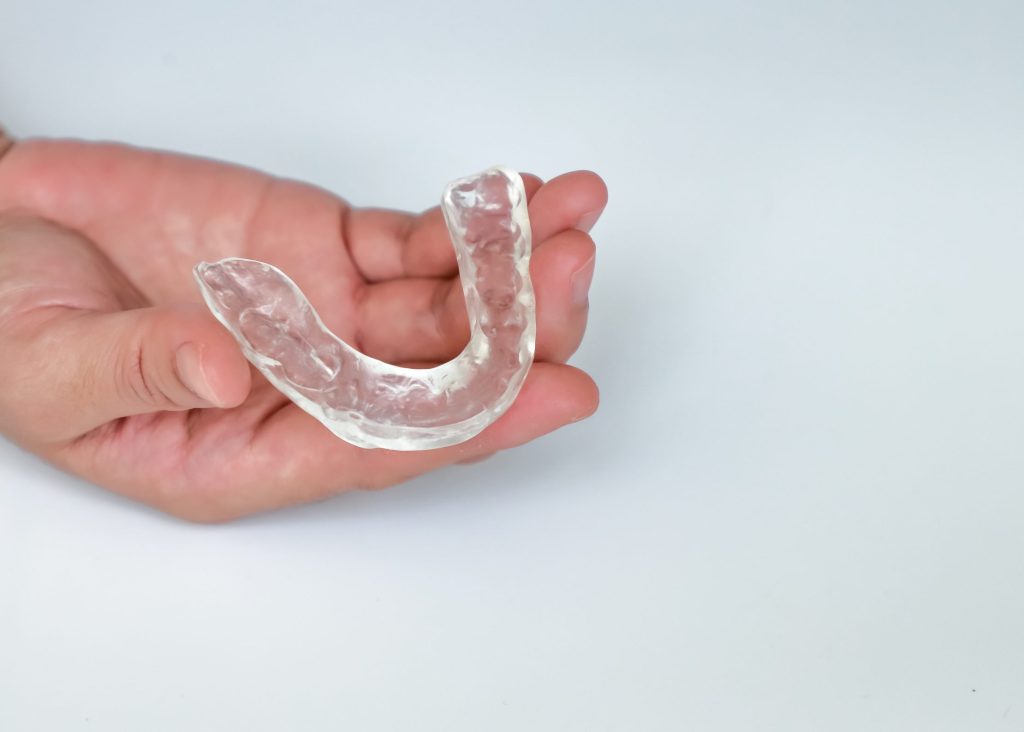
Many patients benefit from teeth grinding treatment that includes a custom-made nightguard. A nightguard is designed to cover your teeth and reduce the damage from clenching and grinding. Patients often tell us they didn’t realize how much jaw tension they carried until they started wearing a properly fitted guard.
Over-the-counter options may feel like a quick fix, but they’re typically “one-size-fits-most.” A custom mouth guard is made to fit your unique bite, which helps keep the guard stable and comfortable through the night. Since fit affects how your jaw closes, customization also matters when you want an effective treatment that supports your dental health long term.
When TMJ treatment options become part of the plan
For many people, grinding and TMJ problems go hand in hand. The temporomandibular joint connects your upper and lower jaw, relying on coordinated movement of joints, ligaments, and muscles. When the system is under strain, you may notice jaw pain, clicking or popping, facial pain, headaches, or even discomfort that spreads into the neck and shoulders.
At McKibben Dental, we provide TMJ treatment options designed to relieve pain and restore healthier jaw movement. We start with an exam and a conversation about what you’re feeling, when it started, and what makes it worse. We also want to know about lifestyle habits, sleep patterns, and whether muscle tension is strongest in the morning, which can point toward sleep bruxism.
Some patients find relief with a nightguard alone. Others may need a broader treatment plan that includes jaw relaxation exercises, relaxation techniques, eating softer foods for a period, and other recommendations based on what we see. In more severe cases, additional care may be needed, and we’ll help you understand the best treatment option for your situation.
Restoring worn teeth: crowns, porcelain restorations, inlays, and onlays
Once teeth become noticeably shorter, you may want to rebuild the shape of your smile for appearance, comfort, and function. Restoring worn teeth can help protect against further damage, reduce sensitivity, and support a more comfortable bite.
We offer several restorative solutions and will talk through treatment options so you can choose what fits your goals and dental health needs:
Dental crowns
Crowns cover and protect a damaged tooth and restore its appearance. They’re helpful when a tooth has significant damage, cracks, or has already had major dental work. A crown can also serve as a protective step after a root canal when a tooth needs added strength.
Porcelain restorations
Porcelain blends naturally with your existing teeth while being durable. These restorations work well when you want a strong result that looks like your real smile, especially in visible areas.
Inlays and onlays
If you don’t need a full crown, an inlay or onlay can repair a larger area than a standard filling while preserving more natural tooth structure. Often called “partial crowns,” they’re a great fit when wear or decay is moderate but still needs strong coverage.
If grinding has already caused significant damage, these restorations can help you get back to a smile that looks like you while protecting the tooth from more chipping or breakage.
Why early care matters (even if you only notice cosmetic changes)
A change in how your smile looks can feel like a surface-level issue, but it often connects to deeper oral health concerns. With ongoing grinding, enamel can thin, edges can chip, and small cracks can spread. Over time, unchecked wear can contribute to an abnormal bite, more sensitivity, and even bone loss around teeth under constant stress.
In severe bruxism, teeth may fracture or require more complex repair. In the most severe cases, tooth loss can occur, creating new concerns like missing teeth and the need for replacements such as dental implants. Protecting your teeth now helps you avoid that path and supports a more comfortable long-term outcome.
That’s why teeth grinding treatment focuses on both protection and prevention. A nightguard helps block direct tooth-on-tooth pressure, and TMJ-focused care aims to calm overworked jaw muscles and reduce the cycle of clenching.
What you can do at home to support your treatment plan
Home steps can’t replace professional care, but they can support your comfort and reduce strain between visits. Since stress and lifestyle habits often contribute, simple changes can help reduce symptoms of bruxism.
Consider these gentle supports:
- Practice relaxation exercises before bed to lower muscle tension
- Use slow breathing techniques to reduce jaw clenching awareness
- Notice daytime clenching and rest your tongue gently on the roof of your mouth
- Keep up with regular dental exams to monitor tooth damage early
- Talk with your healthcare provider if you suspect sleep disorders or medication side effects
Some patients ask about muscle relaxants, biofeedback therapy, or botox injections to reduce jaw muscle activity. These can be part of care in certain situations, and guidance depends on your needs and severity. Our team can help you understand what’s appropriate and when a referral makes sense.
Ready to protect your smile in Reynoldsburg?
If your teeth look shorter than they used to, you deserve clear answers and a plan that feels manageable. At McKibben Dental, Dr. McKibben, Dr. Ehrbar, and our team help you identify what’s causing the wear, explain your options, and build a treatment plan that protects your smile for the future. Whether you need a custom nightguard, support for jaw pain and TMJ concerns, or restorations like crowns, porcelain restorations, inlays, and onlays, we’re here to help you feel at ease every step of the way.