

Losing teeth can feel like a big life shift, whether it happens gradually through tooth loss or suddenly after an injury or infection. The good news is you have dependable tooth replacement options that can help you chew comfortably, speak clearly, and smile with confidence again. At McKibben Dental, we help Reynoldsburg and Columbus-area families understand their choices without pressure, using clear, calm guidance from the first step.
If you have been searching for dentures vs implant-supported dentures, you are likely deciding between two common paths: traditional removable dentures (including full dentures and partial dentures) or implant-supported dentures anchored by dental implants. Both can restore your arch of teeth, and the right choice depends on your comfort goals, jawbone condition, medical history, and personal preferences.
Why “dentures vs implant-supported dentures” is such a common question
This decision comes up often because both solutions can replace missing teeth and support your daily activities like eating and talking. Many patients also want to understand how each option affects long-term comfort, maintenance, and oral health. Conventional dentures tend to be a more affordable option with a lower upfront cost, while implant-supported dentures are often a higher investment that can deliver better stability.
Most importantly, you deserve a treatment plan that fits your life. We take time to listen, answer questions, and explain what you can expect so you feel informed and supported at every stage of dental care.
Traditional dentures: how regular dentures work day to day
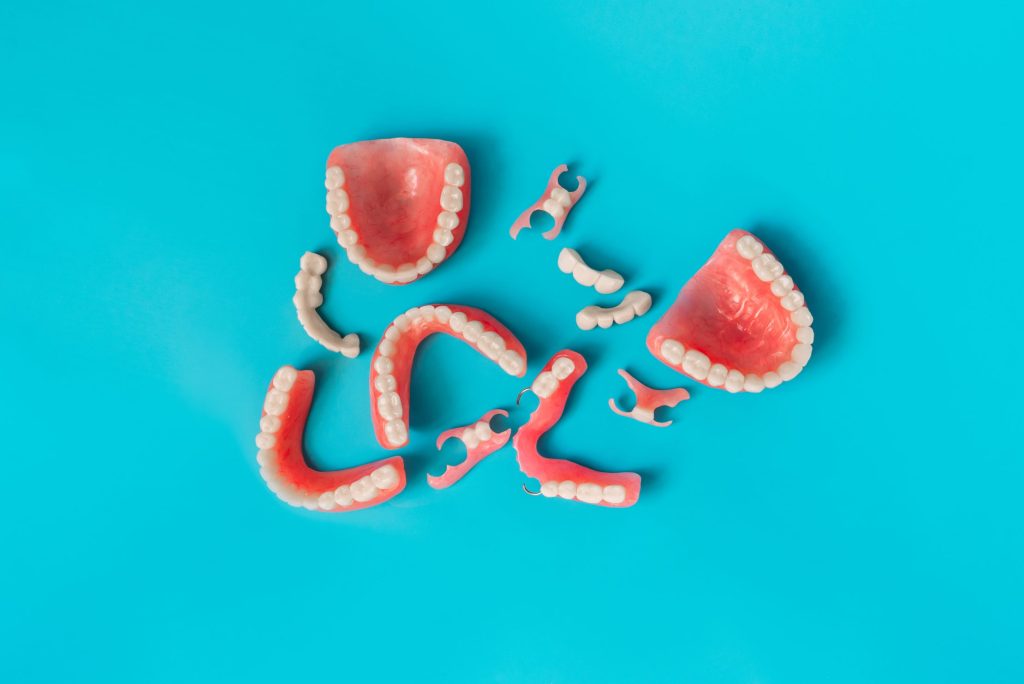
Traditional dentures are removable appliances designed to sit over the top of your gums. They can replace an entire arch of teeth as full dentures or replace several teeth as partial dentures. Many traditional denture wearers appreciate that traditional dentures do not require implant surgery or other surgical procedures, which can make them a comfortable starting point for someone who prefers a nonsurgical path.
Because they are removable, your routine includes daily cleaning and safe storage when they are not being worn. With proper care, regular dentures can look natural and function well for years, and your mouth can be checked at hygiene visits to see whether any adjustments are needed as your bone structure changes over time.
Benefits many people appreciate with traditional removable dentures
Traditional removable dentures can be a great fit when you want a simpler treatment process. They are also helpful when dental implants are not ideal due to jawbone density concerns or certain medical conditions.
Common benefits include:
- An affordable option for replacing multiple missing teeth
- No dental implant surgery required
- A custom denture can be shaped to fit your mouth using digital impressions for comfort
- Full dentures and removable partial dentures can be tailored to your type of denture needs
Implant-supported dentures: added support from artificial tooth roots
Implant-supported dentures use dental implants as artificial tooth roots placed in the jawbone. These implants act like replacement tooth roots, supporting the denture portion so it feels more secure during meals and conversation. At McKibben Dental, implant-supported dentures are designed with digital impressions, and the final result is connected to implants for strength and stability.
Many patients choose this tooth replacement option because it feels closer to natural teeth in everyday life. Instead of relying on denture adhesive to stay in place, the denture is attached to implants, creating better stability, especially for lower dentures that tend to move more with conventional dentures.
Why implants can support jawbone health
Natural tooth roots help stimulate the jawbone, playing a role in maintaining bone health over time. After tooth loss, the jaw can change, and bone resorption can progress in areas where tooth roots are no longer present. Implant placement adds support inside the bone and can help maintain jawbone health and overall bone structure for many patients.
That benefit matters for comfort and facial support, since bone resorption can gradually affect the way dentures fit and how the mouth feels.
Which option feels more stable: traditional dentures or implant-supported?
Stability often becomes the deciding factor. Traditional dentures can fit well, especially with a well-planned denture design, but they still rest on gum tissue and can shift. That movement may lead to sore spots, especially early on or after your mouth changes. Some people also find that certain foods feel harder to manage with removable dentures.
Implant-supported dentures are held by implants, so they generally feel more secure during chewing and speaking. If you have struggled with lower dentures sliding or lifting, this can be a meaningful improvement in quality of life. The number of implants used depends on the level of support you need, and your jawbone condition helps guide what is possible.
What is the treatment process for implant-supported dentures?
The treatment process typically begins with a consultation where we review your medical history, oral health, and goals. We look at things like jawbone density, gum tissue, and how many teeth you want to replace. Then we map out a clear, step-by-step treatment plan that fits your situation.
At McKibben Dental, the process includes implant placement with titanium posts, a healing period while the posts attach to the bone, and then attachment of your new dentures. During healing, temporary traditional dentures may be worn to protect the area. When healing is complete, the final denture portion is secured to the implants so it functions more like natural teeth.
Who is a good candidate for implant-supported dentures?
You may be a good candidate if you want a fixed implant denture for better stability and you have enough bone density to support implant placement. Your jawbone health and structure play a role. Some patients may need a bone graft if there is significant bone loss, and some medical conditions may affect timing or eligibility.
This is where a personalized conversation matters. We will review your health background, discuss any medical conditions, and explain your options clearly. If implants are not the best fit right now, traditional dentures or partial dentures can still provide strong, supportive tooth replacement while protecting your comfort.
Care and maintenance: what daily life looks like with each choice
Both options work best with good oral hygiene and consistent habits. Traditional dentures are taken out for daily cleaning, and you will use a denture-specific cleanser to reduce plaque and bacteria. You will also rinse after meals and store them properly to protect the material from cracking.
Implant-supported dentures still require proper care, just with a different routine. You will brush twice daily and keep up with hygiene appointments, and you may use special cleaning tools like floss threaders to reach around the supported areas. Since implants connect to the jaw, keeping the gums healthy becomes an important part of protecting your investment.
Comparing costs and value: lower upfront cost vs higher investment
Budget is a real part of this personal decision, and we always welcome honest questions about upfront cost. Traditional dentures often come with a lower upfront cost and are widely considered an affordable option for replacing multiple teeth. For many families, that matters right away and makes conventional dentures the right choice.
Implant-supported dentures typically involve implant surgery and more steps, which can mean a higher investment. Many patients weigh that cost against long-term comfort, fewer worries about looseness, and the everyday benefits of better stability. We will help you understand the pros and cons in plain language so you can choose confidently.
How McKibben Dental helps you choose the right choice for your smile
You deserve dental care that feels calm, respectful, and clear. Whether you are considering types of dentures, exploring dental implants, or you simply want help deciding between regular dentures and implant-supported dentures, our team will walk with you through the decision.
We focus on what matters to you: comfort, fit, function, and confidence. We also factor in the practical pieces like your bone density, your arch of teeth needs, and whether you want removable appliances or a more fixed approach.
If you are ready to talk through dentures vs implant-supported dentures with a team that treats you like family, contact McKibben Dental today to schedule a consultation. We are proud to serve Reynoldsburg and the surrounding Columbus communities with tooth replacement options that support your smile now and for the long term.