





Spring often brings your smile to mind. Whether updating family photos, attending weddings and graduations, or investing in long-term confidence, it’s a great time to consider orthodontic treatment. For adults juggling work, kids, and packed schedules, finding a solution that fits daily life is key.
At McKibben Dental, we help Reynoldsburg and Columbus-area families find realistic, comfortable options. When patients ask about clear aligners vs braces, we focus on your goals, comfort, timeline, and how treatment fits into your routine. Below, we’ll explore key differences, what to expect, and how to make an informed decision.
Clear aligners vs braces for adults: what is the real difference?
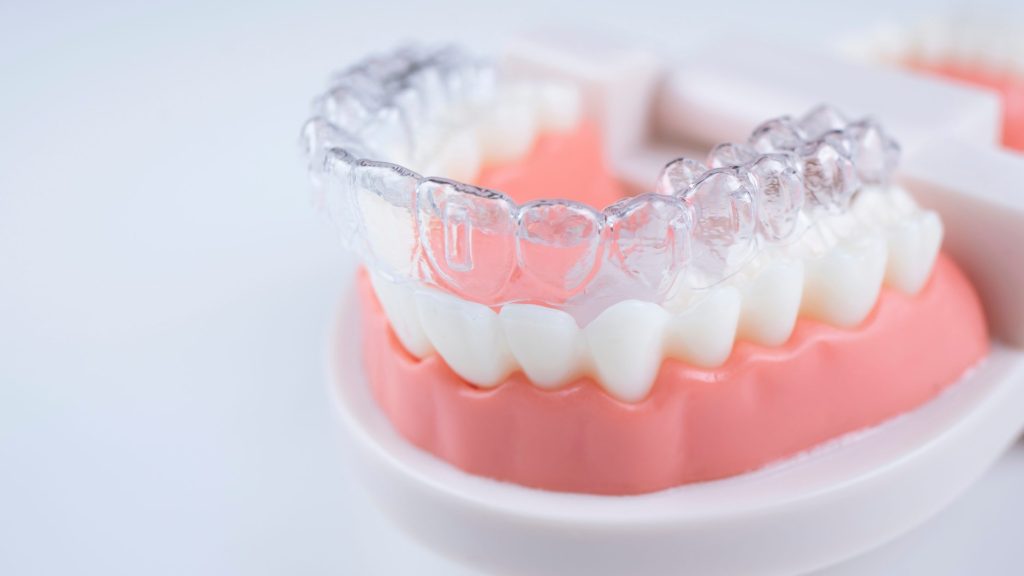
Clear aligners use removable trays to gradually guide teeth with gentle pressure. You switch to a new set of aligners on a schedule we provide, helping your teeth move toward their desired position. Many adults appreciate the aesthetic appeal and flexibility of removing trays for meals and brushing.
Traditional braces use metal brackets and wires to move teeth. They are often considered the gold standard for complex orthodontic cases, especially those involving significant alignment issues. Regular adjustments are required, and you’ll adopt new oral hygiene habits to keep everything clean and comfortable.
Both options aim for a straighter, healthier smile but fit into busy schedules differently.
Which is better for a busy schedule, Invisalign aligners or traditional braces?
For many adults, Invisalign aligners and other clear aligner technology feel simpler to manage. Since they are removable, there are no dietary restrictions like avoiding sticky candies. You can take them out for meals, brush and floss normally, and pop them back in as you head to your next meeting or school pickup.
Traditional braces may appeal to adults who prefer the structure of a fixed appliance, especially if remembering to wear aligners feels challenging. Braces stay in place, eliminating the need for compliance, but require extra attention to oral hygiene to prevent plaque buildup around brackets. The best choice depends on your schedule, habits, and needs, and our team helps you weigh all three.
A closer look at clear aligner treatment for adult life
Clear aligners are designed to blend seamlessly into your routine. If you’re frequently on camera for work, attending special occasions, or prefer a subtle look, clear aligners often provide strong aesthetic appeal. Once you settle into the pattern of wear, cleaning, and switching trays, the process feels straightforward.
Day-to-day benefits include:
- Removable trays make brushing and flossing easier, supporting good oral hygiene.
- No food restrictions since trays are removed for meals.
- A simple routine for travel and busy weeks, as long as you follow the treatment process closely.
Consistency is key with clear aligners. Your results depend on wearing trays as directed, as this drives tooth movement. If you prefer a treatment option you can confidently take off and put back on, clear aligners may suit your preferences.
A closer look at traditional braces (and other fixed options)
Traditional braces remain a trusted option for many adults. Metal braces use brackets and wires to guide teeth into place and are especially helpful for complex orthodontic issues. Because braces are fixed, they work in the background without relying on patient compliance.
Other fixed options include:
- Ceramic braces, which use less noticeable ceramic brackets.
- Lingual braces, which sit behind the teeth for a hidden look.
With braces, oral hygiene becomes a bigger part of your routine. Food can collect around brackets, increasing plaque buildup if brushing and flossing aren’t thorough. Our team will show you techniques and recommend tools to keep your teeth and gums healthy during treatment.
What about bite issues, crooked teeth, and complex cases?
Adults often want straighter teeth while addressing bite problems that affect comfort and oral health. Bite issues can include how teeth meet, jaw strain, or uneven enamel wear. These problems may be cosmetic, functional, or both.
When discussing clear aligners vs braces, we evaluate your orthodontic needs and case complexity. Some alignment issues respond well to clear aligners, while severe misalignment, crowding, or bite problems may require braces for more hands-on control. There’s no one-size-fits-all answer, and we’ll guide you through the decision.
Treatment time and duration: what adults can expect
Most adults ask early, “How long will this take?” Treatment time depends on your starting point, goals, and whether your case involves simpler alignment issues or complex needs. Individual factors can also affect the timeline.
Your personalized plan comes from an exam and records that map out predictable tooth movement. With aligners, consistency matters—wearing trays as directed and switching on time drives progress. With braces, regular adjustments keep things on track, and your appointment schedule becomes key.
The best next step is a visit where we discuss your unique situation, calendar, and pace that fits your life.
Oral hygiene and comfort: what changes with each option?
Busy adults often choose the option that feels easiest to keep clean. Clear aligners allow you to remove trays and maintain familiar routines, supporting good oral hygiene. You’ll still need to clean the trays and keep them fresh.
With braces, cleaning takes more time as food can catch around brackets and wires. While braces aren’t unhealthy, they require a plan. Our team will guide you through brushing, flossing, and tools that simplify the process, ensuring your oral health is protected during treatment.
Comfort varies between systems. Both use pressure to guide teeth. Aligners may feel tight when starting a new set, while braces can feel tender after adjustments. We’ll help you understand what’s normal, how to stay comfortable, and when to call us.
Lifestyle details adults care about: food, photos, and work days
Choosing between clear aligners vs braces often comes down to practical daily details. Adults frequently consider meetings, client calls, and busy evenings with family.
Key lifestyle considerations include:
- Dietary restrictions: Braces may require avoiding sticky candies, while aligners allow normal eating since they’re removed for meals.
- Aesthetic appeal: Clear aligners and clear braces look subtler in photos and conversations.
- Daily routines: Aligners require consistency, while braces work continuously in place.
- Special occasions: We’ll discuss timing and expectations for upcoming events.
We’ll also review insurance coverage so you understand your benefits and the financial side of treatment.
How we help you choose the right option in Reynoldsburg
You deserve an orthodontic experience that feels supportive and clear. At McKibben Dental, we listen, answer questions, and help you feel confident in your decision. We’ll examine your smile, discuss dental or orthodontic issues, and explain which options match your goals.
During your visit, we’ll consider:
- Your orthodontic needs, including bite issues or complex cases.
- Whether braces or aligners best suit your situation.
- Your preferences, schedule, and comfort priorities.
- The approach most likely to deliver the best results for your teeth and lifestyle.
If you choose aligners, we’ll explain how Invisalign works, how to care for trays, and how often to switch aligners. If you choose braces, we’ll discuss ceramic versus metal brackets, regular adjustments, and protecting your gums and enamel.
Ready to talk about clear aligners or braces for your smile?
If you’re weighing clear aligners vs braces and want a plan that fits your busy life, we’re here to help. Our team provides orthodontics for adults with a calm, judgment-free approach, building long-term relationships with patients across Reynoldsburg and Columbus.
Schedule a consultation today with McKibben Dental to explore your treatment plan, review your needs, and choose the path to a beautiful smile and strong oral health.